Table Of Content

Flagstone walkways bring style and character to any outdoor space, and the options for how they can be designed and installed are nearly limitless. Whether you're looking for a walkway to the front door or one through the middle of your English cottage garden, the flagstone walkway is the way to go. A walkway or stepping stone path in your backyard can help you better enjoy your outdoor space. Creating your own DIY walkway design can be accomplished without a whole lot of money and as a weekend project.
Go with gravel
As we journey through an assortment of wooden walkway ideas, let us uncover the artistry, utility, and environmental harmony they bring to outdoor spaces. But if traditional surfacing materials leave you feeling as flat as poured concrete, consider pavers—concrete pavers. More affordable than stone, more colorful than brick, and more durable than asphalt, concrete pavers are a practical yet attractive option anywhere on the property.
Beautiful Walkway Ideas
Pavers set in a geometric pattern create subtle visual interest. Large gray planters spaced along the path offer rhythmic stopping points. Trees growing close to and over the arbor and path provide a virtual outdoor ceiling. Unexpected path materials add a distinctive element of surprise to a landscape. Instead of an expected hard material, a grass path winds its way through the landscape.
Great Front Walkway Ideas You Will Want To Implement Now!
A graceful latticework fence and expansive gate create an openness to guide visitors. Learn how to build a walkway with pavers for a useful and beautiful addition to your home. Build it in sections so you can adjust the elevation, if needed.

The warm color of the wood contrasts nicely with the surrounding greenery and stones. Like a wood deck, a wood walkway should be stained and sealed for long-lasting color and durability. The slabs, called Bridgewood Slab, feature a realistic wood texture created from actual wood planks. It’s a clever way to incorporate the natural texture of wood into your backyard design, without the maintenance. Concrete – Concrete slabs, pavers and stamped concrete blocks are often used for constructing durable walkways. Concrete is a favorite choice because they can stand up to adverse weather conditions and be customized to get the look you want.
New designs revealed for Toronto bridge that will act as a ‘gateway to the waterfront’ - Toronto Star
New designs revealed for Toronto bridge that will act as a ‘gateway to the waterfront’.
Posted: Tue, 03 Oct 2023 07:00:00 GMT [source]
Make sure to use paint that's meant to go on concrete or cement, like masonry paint or concrete coating. For a striking visual effect (especially on the front facade of your home) use strong lines that mirror one another. Your front walkway is an important place to do this—mimic the walkway's shape and direction elsewhere on the front of the home, like the overhang or landscaping. Doing this will create a cohesive, sophisticated and linear look. Of course, you don't need special plants to add between the gaps of your walkway—you can let whatever regularly grows in your lawn fill in the space between too.
Flagstone and Pebbles Combination

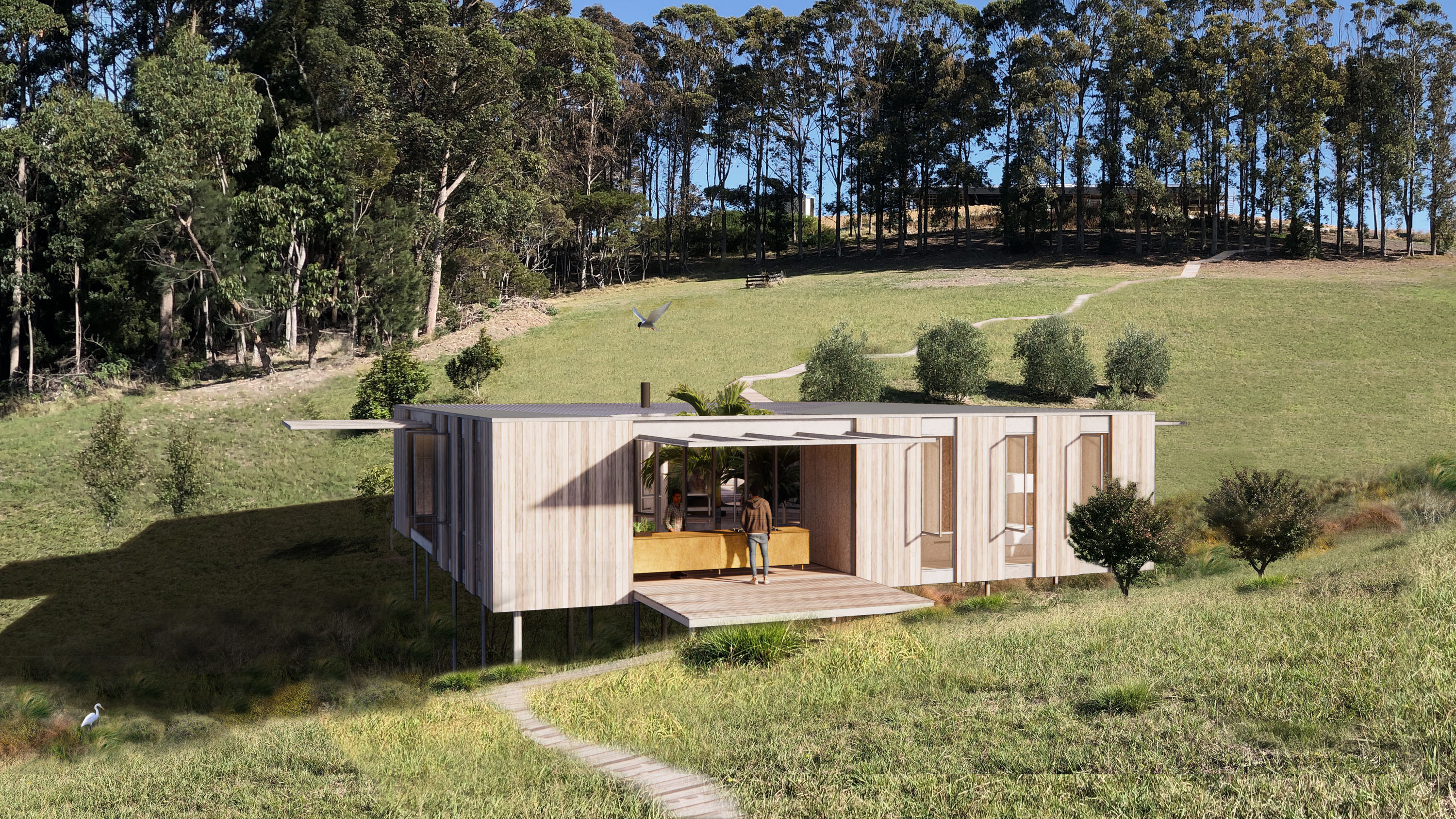
This walkway is made of concrete slabs with a rough, almost mottled texture. Be extra creative and add plants, flowers, or rocks to the border of your walkway. You should think about the placement of your walkway carefully because this is difficult to change once done. Some people want to put their walkway in the middle of the yard to make it the center of attention, while some want the walkway on the side to keep it low-key. For instance, developing stable walkways in homes built on slopes is more challenging. But generally, the goal is always to make your walkway as easy as possible.
Bamboo is one of the Earth’s most sustainable building materials, making it an eco-friendly choice appropriate for a range of walkway ideas. Here, laid in a weaving pattern, bamboo adds a tropical touch to this lush yard. Some of the most jaw-dropping walkway ideas involve either pricey materials, laborious professional installation, or both. A mosaic pebble walkway will impress anyone who walks on it, and while pebbles are reasonably priced, this type of path must be put in by a skilled artisan. Bark mulch is a budget- and DIY-friendly material to keep in mind for no small number of appealing walkway ideas.
Premade concrete pavers are available at your local home improvement center. They come in nearly every natural shade and geometric shape imaginable. Concrete pavers generally range in size from around 10 inches to several feet wide. Create a beautiful walkway by combining concrete pavers and pea gravel or crushed gravel. Use gravel to fill the spaces around recycled wood, such as railway ties or pallet boards.
A walkway also excites your guests of what to expect in your home. While it adds to the curb appeal of your home, it keeps people away from other areas. Walkways with a lot of bumps can be a challenge for older people, younger kids, prams, wheelchairs and people who need the aid of walking sticks. Make sure to choose the materials that can withstand the expected foot traffic of your walkway and the elements, as well. The size of the walkway (width and length) should be proportionate to the size of your landscape and home. When redoing your existing walkway or building a new one due to a poor design or wear and tear, you need to do extensive research and planning.
Here is a curved walkway design made of concrete and bordered with bricks on either side. The earthy color of the bricks blends well with the landscape giving it a warm look. You can create a whimsical walkway similar to the one above by centering the mural stepping stones on mulch. The stepping stone is made of paving stones that have been hand-painted with murals of varying designs. That’s why one of the first steps in planning a new patio design idea is deciding which material to put underfoot, typically brick, concrete, stone, or gravel.
Surrounded by an abundance of blooms, a rustic yet streamlined path offers quiet beauty. Unobtrusive in scale and structure, two trees flank on either side of the path, creating privacy and coziness. Large swaths of stout perennials, including hostas and coneflowers, ensure plenty of color and texture. As a general rule, build the steps approximately seven inches high.